
How Digital Technologies Are Changing Hotels in Dubai
Hospitality in the UAE
How digital tools are rewriting the Dubai hotel stay
Dubai has always treated hospitality as a headline industry, so it is not surprising that its hotels moved on digital guest tech faster than most cities. Today a visitor arriving at a five-star property on Sheikh Zayed Road can skip the reception queue, unlock the room with a phone, and order breakfast through an in-app menu before the bellhop reaches the lift. Behind the polish, though, the change is more than cosmetic: it is reshaping how hotels are staffed, how data flows, and what guests should expect from a stay in the emirate.
The shift
From front desk to front screen
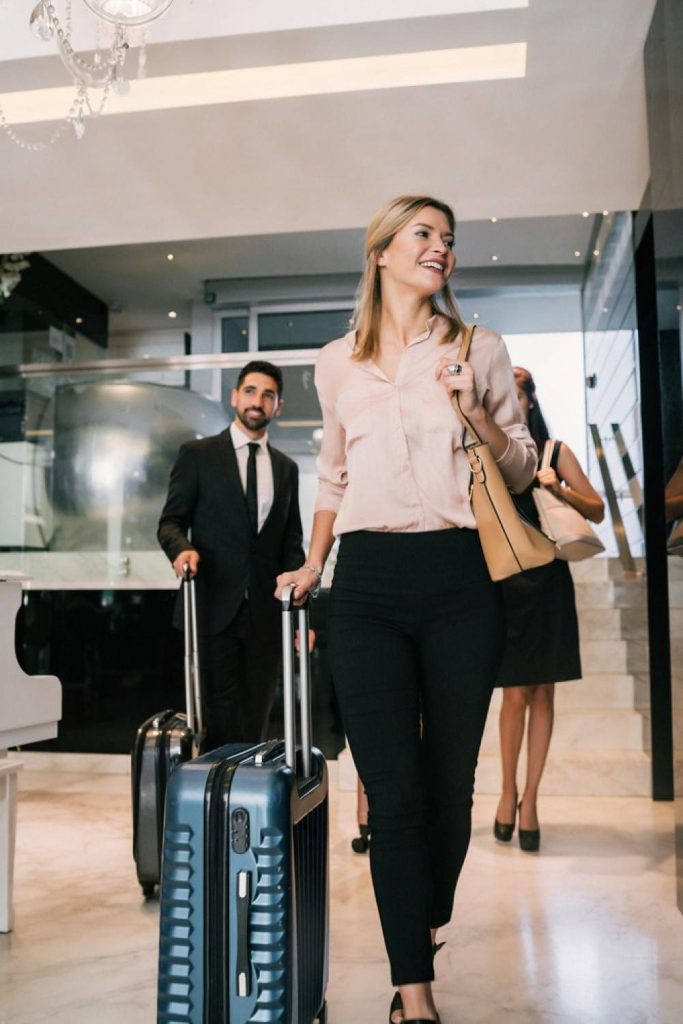
The classic image of a Dubai hotel arrival, a long marble desk, a printed registration card, a stack of passports, is quietly disappearing. In its place: a phone app, a self-service kiosk in the lobby, and a keycard that lives in Apple Wallet. Hotel groups operating in the UAE, including Jumeirah, Rotana and the big international chains, have been pushing guests toward mobile-first journeys since the pandemic, and the local regulator has been supportive of biometric identification pilots at both hotels and airports.
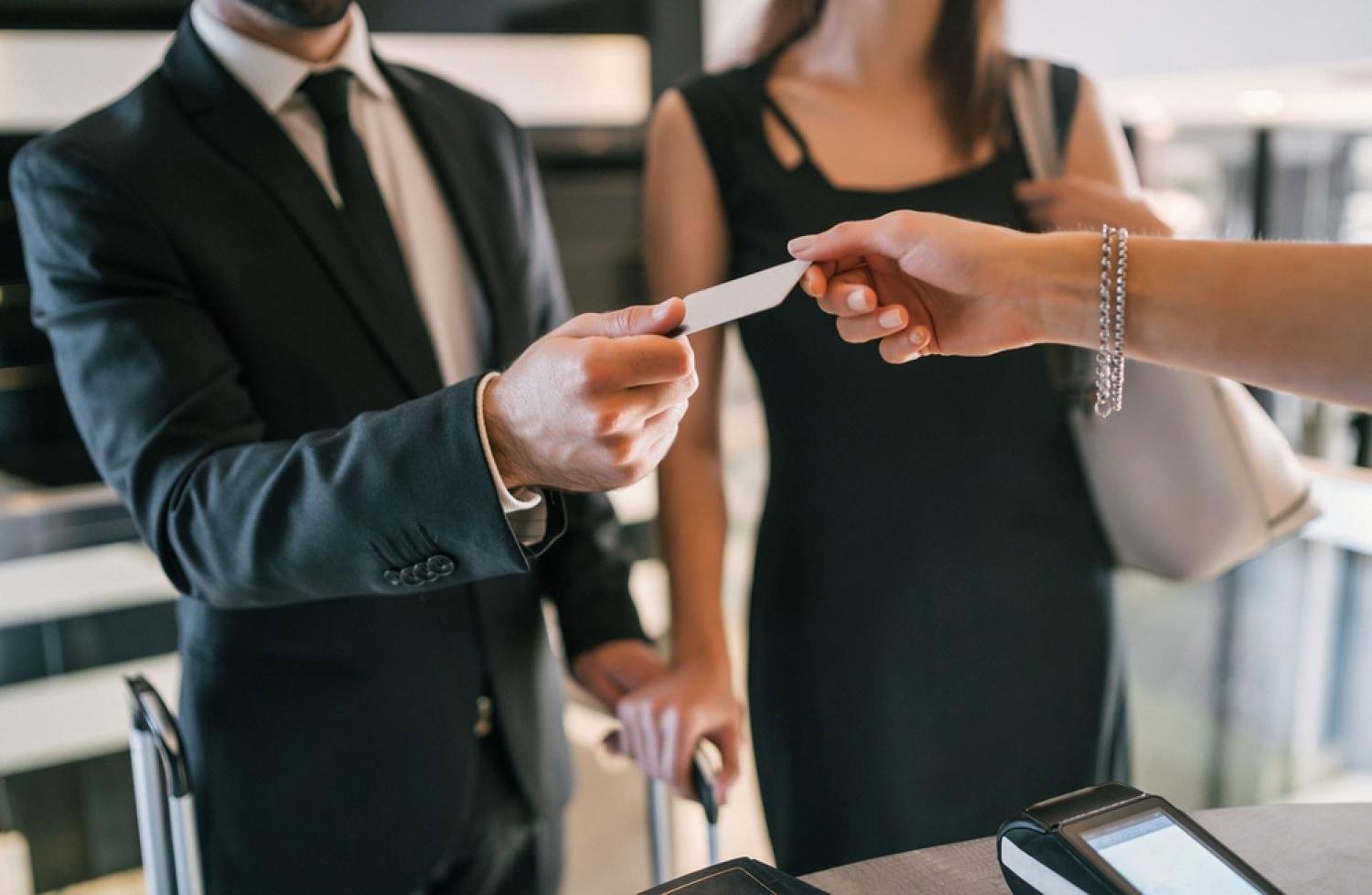
One of the biggest jumps has been in contactless check-in kiosks which now sit inside many Dubai hotel lobbies. A guest scans a passport or Emirates ID, types in a booking reference, and, in properties that support it, uploads a facial biometric so the next visit is even faster. The system remembers preferences, so a returning guest is checked in before they have finished putting their suitcase down.
The pros and cons at a glance
What digital hotel tech gets right
- Mobile check-in cuts lobby waiting time to almost zero, especially useful for red-eye arrivals from Europe or Asia.
- Digital room keys on a phone or smartwatch mean fewer demagnetised cards and no trips back to reception.
- In-app service requests (housekeeping, room service, spa bookings) get logged and tracked, so nothing is forgotten on a busy weekend.
- Biometric kiosks store verified guest data, so repeat visits skip paperwork entirely.
- Front-desk staff are freed from admin and can spend real time on concierge work: restaurant advice, desert tours, visa questions.
Where it still stumbles
- Older guests, or those without a strong data plan, can feel pushed away from human help.
- App outages during peak arrivals turn a slick experience into a bottleneck faster than a traditional desk would.
- Biometric data collection raises legitimate privacy questions, even where the UAE has clear data-protection rules under Federal Decree-Law No. 45 of 2021.
- Not every property is fully digital, so guests who expect keyless entry in a four-star hotel sometimes get a plastic card and a puzzled look.
- Language and accessibility gaps: some apps default to English only, which is a problem for GCC and CIS travellers in a city where 200-plus nationalities check in every day.
Tip 1
Use mobile check-in the smart way
Mobile check-in works best when you prepare a few hours before landing at DXB or DWC. Open the hotel app while you are still on Wi-Fi at the airport, upload your passport photo page and Emirates ID if you have one, and confirm your arrival time. That last field matters: if the property knows you are landing at 2 a.m., they will queue the room in the housekeeping system and push the digital key to your phone before you finish clearing immigration.
- Take a clear, glare-free photo of your ID before uploading, blurred scans get bounced back.
- Enable Bluetooth as well as Wi-Fi, since many digital keys use Bluetooth Low Energy to unlock the door.
- Screenshot the confirmation, in case the app cannot reload in a low-signal lift.
- If you are travelling with family, note that most apps still tie the digital key to one device, ask reception to issue a physical spare for the second guest.

Tip 2
Get the most out of the in-room app
The tablet on the nightstand is no longer just a fancy remote. In most upper-tier Dubai hotels it is a full control panel: curtains, lighting, air-con set point, room service, spa, laundry pickup, and even prayer times with a Qibla indicator. Guests who never open it are, effectively, paying for a service they never touch.
- Switch the app language to your preferred one on arrival, most support Arabic, English, Russian and Chinese.
- Use the housekeeping toggle instead of the door hanger, staff routes are optimised from the app, not the hallway.
- Order room service through the app rather than the phone, kitchens confirm faster and the bill lands on the folio automatically.
- Check whether the app offers a late checkout request, many properties grant it silently if the room is not resold.
Tip 3
Protect your data without opting out
You do not have to refuse every digital feature to stay in control. The UAE has some of the more developed data-protection frameworks in the region, and reputable hotels publish clear retention policies. Still, a bit of guest hygiene helps.
- Read the biometric consent screen at the kiosk, it usually offers a choice between one-visit storage and long-term profile.
- Use the hotel Wi-Fi with a VPN if you plan to log into work systems, standard practice recommended by most cybersecurity guides, including the UK National Cyber Security Centre.
- Uninstall the hotel app after checkout if you do not plan to return within the year, this revokes ongoing location and notification permissions.
- For corporate travel, ask the property whether guest data is stored in the UAE or exported abroad, this matters for compliance teams.
What to avoid
Do not treat digital check-in as a replacement for reading the reservation. Guests who skip the human step most often miss things that only a live conversation catches: an unpaid tourism dirham fee, a mismatched name on the booking versus the passport, or a room category downgrade that the app quietly accepted. Use the tech for speed, but stop at the desk for thirty seconds on the first visit, especially in independent Dubai properties where the app coverage is uneven.
Frequently asked questions
Is mobile check-in available in most Dubai hotels?
Most four- and five-star hotels in Dubai now offer mobile or kiosk check-in, including the major chains like Jumeirah, Marriott, Accor and Rotana. Smaller independent hotels and apartment hotels are catching up, but coverage is uneven, so it is worth confirming through the booking confirmation email before you arrive.
Do I still need my passport if I use a biometric kiosk?
Yes. UAE hotel regulations still require a valid passport or Emirates ID at registration, and the kiosk simply digitises that check. Keep the physical document on you during the stay, since police and tourism inspections can still ask for it, especially in serviced apartments.
Are digital room keys safe if my phone is lost?
Digital keys are generally safer than plastic cards because they are tied to your device unlock (Face ID, fingerprint or PIN) and can be revoked instantly from the hotel side. If you lose the phone, call reception right away, they can disable the credential and issue a physical replacement in minutes.
Can older guests still check in the traditional way?
Absolutely. No reputable Dubai hotel forces guests through an app. Front-desk staff are trained to handle the full check-in manually, and in many properties they will actively walk older or first-time guests through the digital features rather than rushing them to a kiosk.
Do digital hotel apps work well for Arabic and Russian speakers?
Language support has improved sharply over the past three years. Most tier-one Dubai hotel apps now offer Arabic, English, Russian, Chinese and often Hindi. Smaller boutique properties may still default to English, so double-check the language toggle in the app settings on first launch.
Will digital check-in replace hotel receptionists entirely?
Unlikely, at least not in Dubai. The city sells hospitality as a premium experience, and human staff remain a big part of that. What is changing is the job description: receptionists spend less time typing passport numbers and more time on genuine concierge work, upgrades, restaurant reservations and guest recovery when something goes wrong.

Soccer lover, risk-taker, band member, Vignelli fan and front-end designer. Doing at the junction of art and mathematics to craft meaningful ideas that endure. I work with Fortune 500 companies and startups.